Eliana Pérez on Diversity in the Newsroom
An industry interview with Eliana Pérez, a journalist who spent nearly three years at The Desert Sun covering the eastern Coachella Valley, on representation, accuracy and what newsrooms owe the communities they cover.
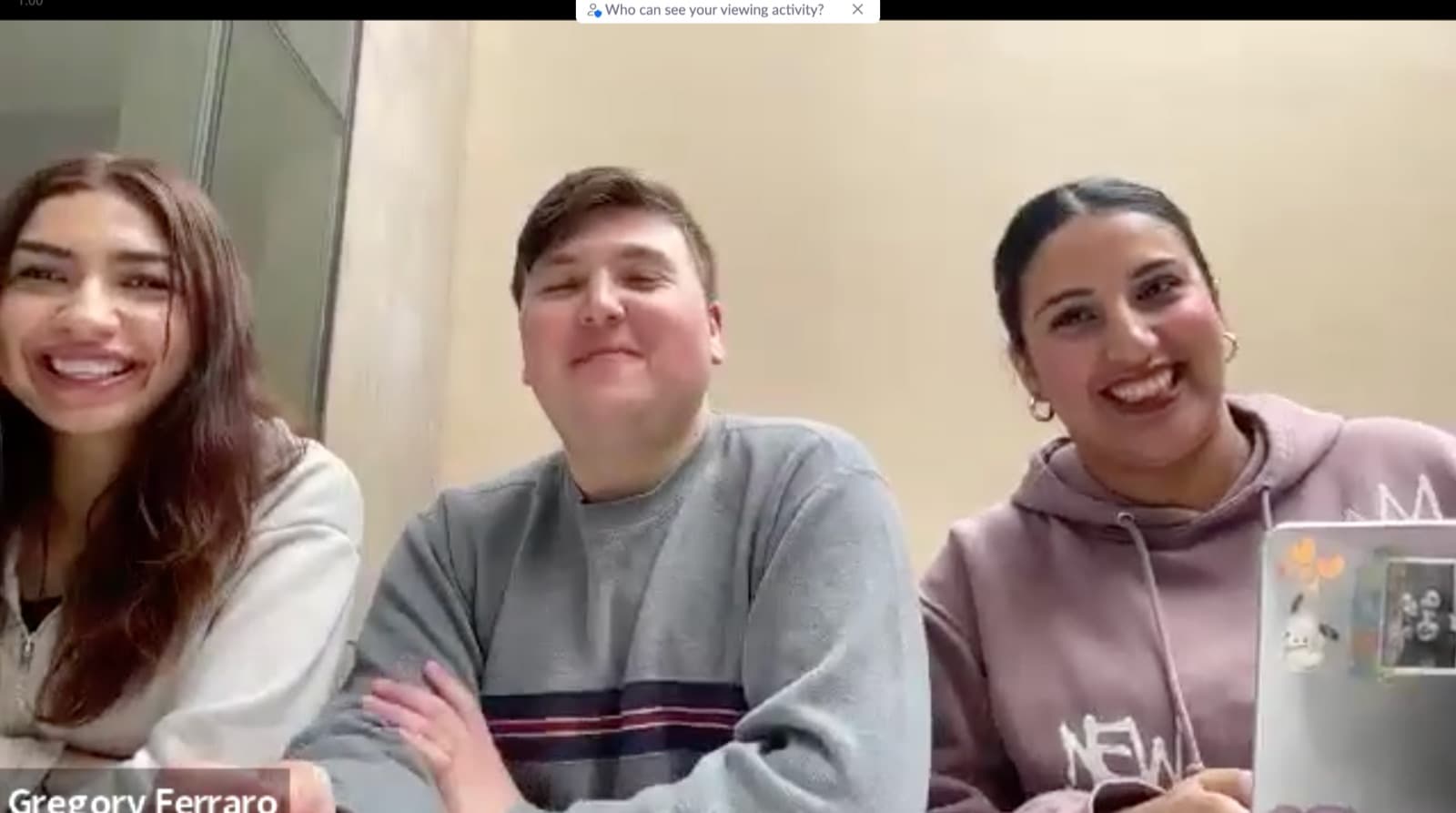
Written by Ariana Rodriguez, Briana Mendoza and Gregory Ferraro
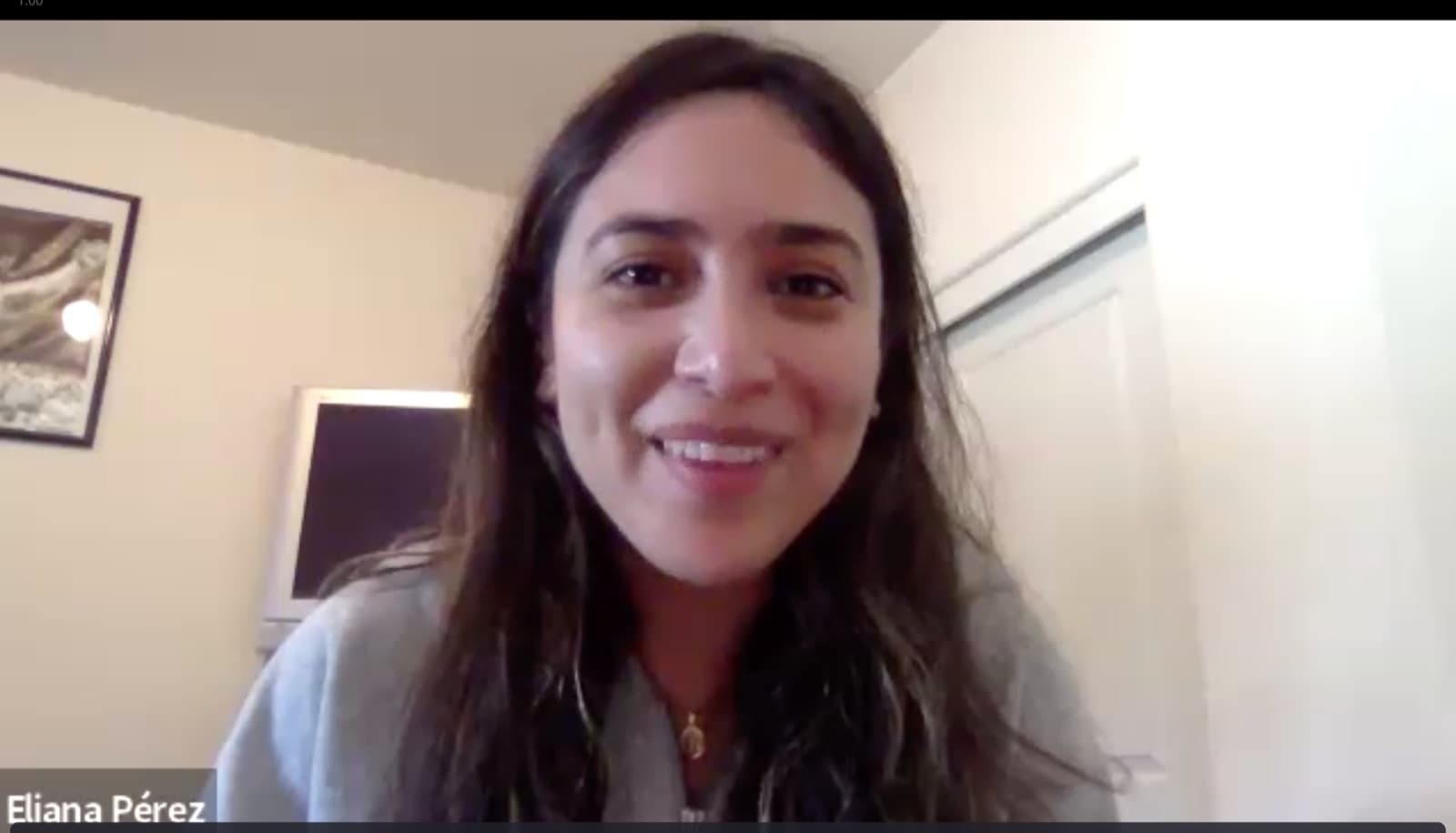
Eliana Perez is a Journalist and Spanish Language graduate from UCLA and CUNY who works out of The Coachella Valley and Indio. She worked for a paper called The Desert Sun for the last 3 years and began working as a freelance writer in November. She uses her writing to give a voice to underrepresented communities and inform the public about current issues.
Q Can you share with us your journey into the field of journalism?
A What inspired you to pursue this career path? I always saw journalism as a hobby when I was in high school. I joined the school newspaper and eventually went on to UCLA for my undergraduate degree. At UCLA, I joined NHJ (National Association of Hispanic Journalists), in my 3rd year, and I finally saw Journalism as a career path. I always credit NHJ because even just seeing other Latinos in this career, when they are underrepresented, told me, “I can do this!”
Q How has your background, identity, or personal experiences influenced your approach to journalism?
A I don’t see my community as a whole represented in the news. I am Mexican-American, and in discussions like these, unfortunately, I still hear a lot of, “You only ever see news about Latinos as they relate to crime or poverty.” I think those two things exist in any community but are just heightened with us because there are not enough people to represent these communities in the newsrooms. I have definitely been driven by wanting to fill that gap because news is supposed to represent the world as it is.
Q Have you encountered any specific challenges or setbacks related to race or diversity in your journalism career?
A When I worked at The Desert Sun, I was the only Latina in the newsroom and it was a challenge because it eliminated the ability of comfort and community within the office. I have pitched stories about Latino people where I have been told, “Hmm, I just don’t think that’s a story.” I don’t take it personally because it was a white editor telling me that a story about Latino culture, that I know Latinos would care about, isn’t a story. Their lack of insight for an entire demographic causes them to just not care about it.
Q What do you bring to the table in this field of work as a Latina that you think is the most valuable?
A Personally, I bring awareness about what Latinos are doing in different scopes. Even though my last title was Community Government, I was always around the community asking questions and keeping informed. For example, there is a Tamale festival in Indio, and they had a famous Latino band, La Sonora Dinamita, perform. I got in touch with the manager and wrote a story about the 60-year-old band and its significance to inform the community.
Q In your opinion, what role does diversity play in the field of journalism?
A Diversity plays a huge role, even if news outlets don’t acknowledge it. If news is meant to reflect the world we live in, then we need to do just that. The issue is that news outlets and reporters are not putting enough emphasis or importance on highlighting marginalized communities. It’s very important, and we cannot undermine how important accurate, diverse news is.
Q Have you ever faced discrimination or bias in your professional journey?
A If comfortable sharing, how did you handle those situations? I haven’t personally faced direct discrimination, but I have seen instances of bias and understand how common both are in journalism. As a Latina, I’ve had to maneuver how I pitch certain ideas in front of white editors, especially Latino stories, since, to them, they are often seen as unnewsworthy. When I was based in New York, Hurricane Maria had just hit, and an influx of Puerto Ricans were entering the city because of it. You have this catastrophic event happening to a Latino community; they are being heavily affected, and no media is taking the time to cover this ongoing story well enough. It’s not right. I feel like I almost have to play my “Latinidad” and knowledge down so I don’t pigeonhole myself.
Q How do you ensure that your reporting is fair, accurate, and inclusive, especially when covering race, ethnicity, or culture topics?
A I love this question. Yeah, I’m just not afraid to reach out and say, “I don’t know about this certain topic.” Reporters are supposed to be these “expert communicators,” but often, we don’t communicate enough with each other. Reaching out to colleagues is of utter importance to assure accuracy and authenticity. It is important to be asking all the questions so that you can start learning something. If I were to cover a community that I’m not familiar with or knowledgeable about, the best scenario would be to have a diverse newsroom to ask and seek advice from my colleagues. It’s also important to reach out to the larger community itself to know if what you’re writing is accurate and to see if they’d be comfortable being represented this way. Accuracy and respect are vital.
Q What steps can news organizations take to improve diversity and representation within their staff and news coverage?
A If one comes from an underrepresented community, I would say that's an asset we need in the newsroom. It will help the accuracy and quality of our news, so why wouldn't that be enough? At times, as a Latina, being bilingual isn't valued as much as to a white peer who knows Spanish. Not only am I a Spanish speaker, but I also have insight into the culture that this other person, just from not growing up that way, doesn't, so why is it an expectation for a Latina to be bilingual? The food, culture, and what's going on in Latino communities is not something you can learn in a year.
Q Can you share any advice for aspiring journalists from diverse backgrounds facing similar challenges or obstacles in pursuing their careers?
A For me, being a first-generation college attendee, just the networking part is really important. For me, when freelancing from UCLA, I wasn't inclined to because you don't see people like you, so you might feel you're supposed to know this already. So, if I ask this other reporter or editor, I will look like I'm inexperienced, and they will question why I am even doing this. Those who share a background with you are open to telling you how you handle it. Joining NHJ was a huge part of opening doors and my eyes and going to grad school. People who can show you it is possible, and you learn that way to fill the gap of how to succeed in this.
Q Looking ahead, what do you hope to see in terms of progress and change regarding race and diversity within the journalism industry?
A Sadly, I believe news is behind diversity and inclusion in 2024. I want to see investing in reporters, getting news out there, and reaching those communities to get people to read your paper because it's relevant to them. I feel that news organizations don't want to spend time and energy being diverse and inclusive from the bottom of their heart, but instead, because it's good for business. If they are truly diverse, they would have a diverse audience, which would mean more eyes on you and more clicks. We don't have the quality of news this country or any of us deserves. The first Latino columnist, Ruben Salazar wrote about similar issues and setbacks. Why do I have a shared experience with someone from the 80s? Being the only Latina, I worry that sometimes I'm painting a bleak picture, but I have felt such a reward when people in the Coachella and Indio communities were sharing the front-page news stories I wrote.